By Visionewcam
Reading time: 7 mins | Category: CMS Power Solutions
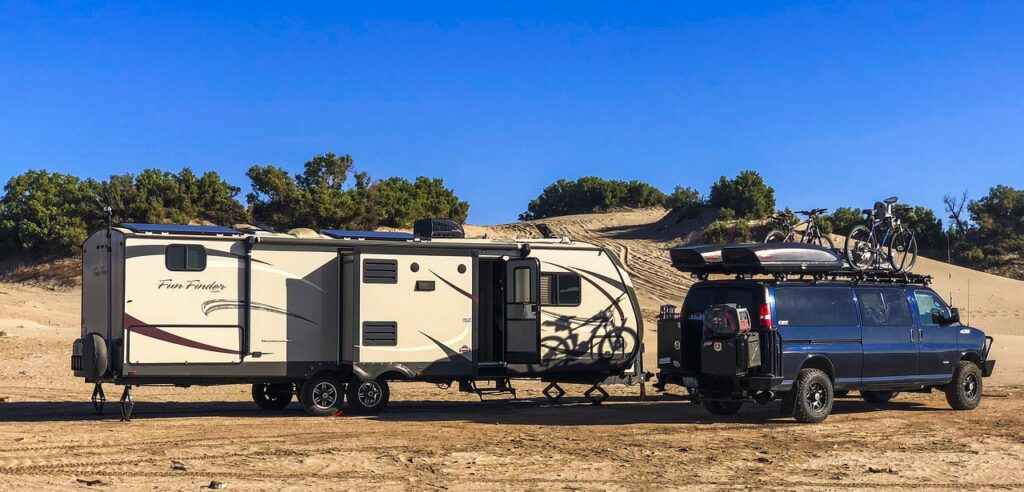
If you’ve ever installed a wireless backup camera on a travel trailer, fifth wheel, or truck camper, you’ve probably seen this:
You connect the camera to the trailer’s reverse light wire. You test it. Works fine.
Then you drive 200 miles, park at a campground—and the screen is flickering. Or it won’t turn on at all. Or worse, the camera burned out after three trips.
You’re not alone. This is one of the most common complaints in RV forums, and it’s not because the camera is “cheap.” It’s because trailers and trucks are not designed to power cameras the way passenger cars are.
Here’s why—and what actually works.
The Problem: Your Trailer’s 12V Power Wasn’t Made for Cameras
Let’s look at how a typical RV backup camera is wired:
Power comes from the tow vehicle’s battery
Travels through the 7-pin connector
Runs along 30, 40, even 50 feet of cable
Finally reaches the camera at the back of the trailer
By the time it gets there, a 12V system is often delivering less than 10V. Voltage drop isn’t a theory—it’s physics. Thinner wires, longer distance, more resistance.
And that’s when everything is new. Add corrosion in the connector, a slightly weak truck battery, or cold weather? The camera becomes unreliable.
Common symptoms:
Screen goes black when you turn on turn signals
Camera reboots while driving
Night vision is weak or flickering
The camera simply dies after a few months
Most owners blame the camera. But in many cases, the camera is fine. It’s the power supply that’s failing.
The Real Fix: Not a Voltage Stabilizer—A Dedicated Camera Battery
Some installers add a voltage booster or a capacitor. That helps—temporarily.
But there’s a cleaner, more reliable solution that more and more RV owners and fleet operators are switching to:
Give the camera its own independent power source.
Instead of pulling power from the trailer’s tail lights or reverse circuit, you install a small, rechargeable 12V battery pack right next to the camera.
Here’s what changes:
1. Stable voltage, 100% of the time
The camera gets clean, regulated 12V. No dips. No surges. No flicker. The image is stable even when the tow vehicle is idling or the trailer connectors are wet.
2. Camera works even when the truck is off
Want to back into a campsite without starting the engine? No problem. The camera runs on its own battery. You can also use it while parked—keep an eye on your gear, kids, or pets without leaving the ignition on.
3. No more “camera burned out” warranty claims
Most camera failures are not the lens or the sensor—it’s the power board. Unstable voltage cooks the regulator over time. A dedicated battery completely removes that stress. Your camera lasts years longer.
Why Our Battery Doesn’t “Act Cheap”
If you’ve shopped for a 12V battery pack online, you know the struggle:
The price looks good. The photos look fine. Then it arrives, and something feels… off. The indicator light falls into the case after three uses. Sometimes it charges, sometimes it doesn’t. The cable is so thin you’re afraid to breathe on it.
That’s not bad luck. That’s design choices.
Here’s what we did differently.
Indicator Light: Soldered to the Board, Not Floating
On most portable batteries, the LED indicator is just stuck in a hole—held by glue or a friction fit. Hit a pothole? Drop it on the floor of your truck? That LED falls right into the case.
We don’t do that.
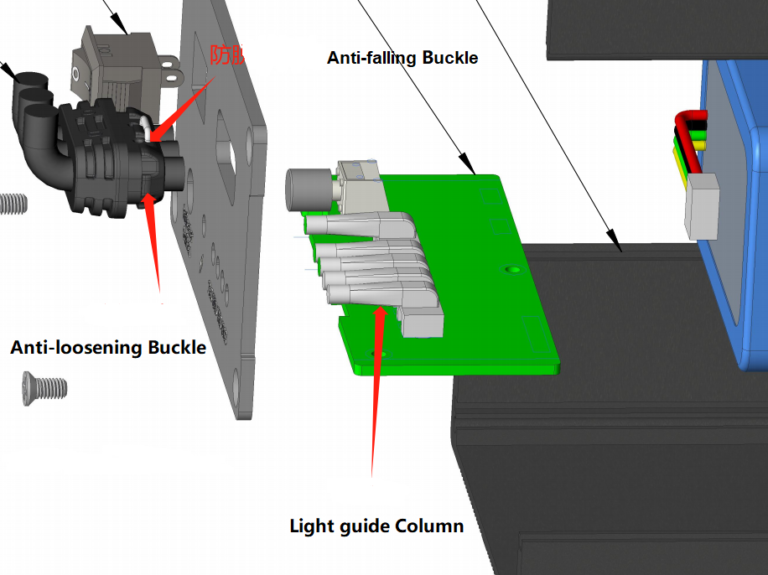
Our light pipe is soldered directly to the PCB. It’s not floating. It’s not glued. It’s physically locked in place. You could shake it, drop it, leave it in a hot trailer all summer—the indicator stays put.
Charging Management: SOC Dedicated Chip
Ever left a battery charged overnight, only to find it dead when you need it? Or plugged it in, waited hours, and the light never turned green?
That’s usually a cheap charging controller—or none at all.
We use a dedicated SOC (System on Chip) charging management IC. It’s the same class of chip used in premium power tools and medical devices. It does three things:
Prevents overcharging
Prevents deep discharge
Ensures the battery wakes up correctly every time
No “charged but won’t turn on.” No “plugged in all night but still at 0%.” It just works.
Cable Boot: Built for People Who Pull the Cable
Here’s a confession: Some people don’t grab the case—they grab the cable.
We know this. We design for it.
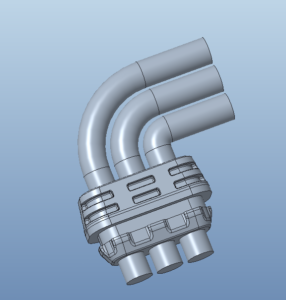
The cable exit is reinforced with a custom-molded boot. Inside that boot is a strain relief and anti-pullout structure. You’re not grabbing a wire that’s just crimped and hoping for the best. You’re grabbing a wire that’s mechanically locked to the internal frame.
Pull it. Yank it. Coil it tight and throw it in a toolbox.
It’s not going anywhere.
Cable Spec: 5mm Thick, 22AWG Core
Thin cable = voltage drop + snapped wires.
Our output cable is 5mm in diameter. The core is 22AWG copper—over-spec for a camera, intentionally.
Why? Because thick wire means:
Less resistance
Stable voltage at the camera
Actual mechanical strength
You can lift the whole battery by the cable. We don’t officially recommend it, but we respect the instinct.
Not Just a Power Bank—It’s Built for the Road
This isn’t a generic phone power bank wrapped in shrink tube. A proper CMS battery needs to survive life on the road.
Here’s what ours looks like:
Two capacity options – 5500mAh for weekenders and small trailers; 11000mAh for full-timers, large fifth wheels, or multiple cameras. That’s up to 30+ hours of continuous use.
Custom mold, not off-the-shelf – The housing is our own design, not a repurposed phone charger case. That means:
Better heat dissipation
Precise fit for the cells
Consistent quality, batch after batch
Optional timer switch – Worried about leaving it on overnight? We get it. That’s why we offer a built-in timer. Set it and forget it. The battery cuts power automatically, so you never come back to a dead pack when you need it most.
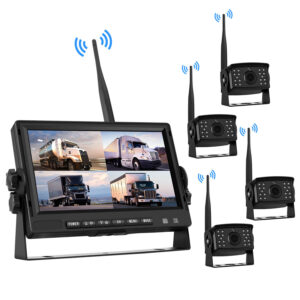
Real-World Test: 7-Inch CMS + 11000mAh Battery
We tested this setup on a 32-foot fifth wheel over two weeks:
The gear:
7-inch wireless CMS monitor
1080p rear camera
11000mAh CMS battery pack with timer set to auto-off
The result:
3 full camping trips on a single charge
Zero flickering, even driving through heavy rain
Monitor powered separately via battery
The owner didn’t touch a single trailer wire. He mounted the camera, plugged it into the battery pack, set the timer, and put the battery in a rear pass-through compartment. Total install time: 14 minutes
For RV Dealers, Installers, and Fleet Owners: Why This Matters
If you’re selling or installing backup cameras for RVs, here’s why you should consider bundling or reselling this battery solution:
1. Fewer support calls
Most “camera not working” tickets are actually power-related. If the camera has its own battery, the problem disappears.
2. Higher customer satisfaction
The customer gets a system that works every time, not just when the truck is running. That’s the difference between “it works” and “I love this thing.”
3. Real upsell, real value
A battery adds cost to the ticket depending on capacity. For that, you eliminate voltage complaints and give the customer a feature they didn’t know they needed. That’s not an upsell—that’s a solution.
4. Private label / OEM ready
This is not a closed system. We work with brands, distributors, and installation shops to customize:
Your logo on the housing
Your preferred cable length
Timer default settings
Bulk packaging
You control the quality. You control the branding. We handle the engineering.
Which Vehicles Benefit Most?
✅ Travel trailers & 5th wheels – Long wire runs make them the #1 candidate
✅ Truck campers – Cameras on the rear of the camper, far from cab power
✅ Pickup trucks with bed cameras – Especially if you use the 7-pin for towing
✅ Utility trailers & enclosed cargo trailers – Often no 12V line at the rear at all
✅ Boats on trailers – Salt air corrodes connectors; a sealed battery box bypasses this
The “One Less Thing to Worry About” Philosophy
RVing is supposed to be about freedom, not troubleshooting electronics at the campsite.
A dedicated camera battery won’t make your trailer fancier. It won’t show up in the glossy brochure. But it will do something better:
It will work. Every time. Without thinking about it.
And in the real world, that’s the feature customers remember.
Same product category. Same voltage. Same “look.”
But the difference is in the details you can’t see—until you own it.
Want to Try This Setup? (Wholesale / OEM / Individual)
We now offer a CMS Power Kit designed specifically for RVs, trailers, and trucks—with flexible capacity, custom branding, and smart features you won’t find in generic power banks.
| Model | Capacity | Runtime (est.) | Best For | Timer Option |
|---|---|---|---|---|
| VN-50 | 5500mAh | 10–12 hours | Small trailers, weekend use | |
| VN-130 | 11000mAh | 30+ hours | Large fifth wheels, full-time RVers, multiple cameras |
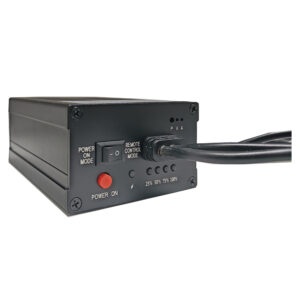
Visionewcam Camera Battery Pack
Clear Power Balance Indicators
Strong Cable for Visionewcam Camera Battery Pack
All models feature:
Custom-molded housing (your logo available)
PCB-soldered light pipe – indicator never falls out
SOC dedicated charging chip – no charge failures, no wake-up issues
Reinforced cable boot with anti-pullout design – built for people who pull the cable
5mm cable, 22AWG core – lift the battery by the wire if you must
Type-C fast charging
Wide voltage compatibility (works with 99% of wireless CMS cameras)
[Click here to email us if you want to know more about the RV Camera Battery Kit]
Wholesale inquiries, private labeling, and OEM customization welcome—contact us for bulk pricing and sample requests.
Have you experienced flickering or power issues with your trailer camera? What’s your current setup? Feel free to comment below or email us at Victoria@visionewcam.com. We reply to every inquiry—usually within a few hours.
Tags: RV backup camera power, trailer camera battery, CMS for travel trailer, wireless camera voltage drop, 12V battery for dash cam, private label camera battery, OEM CMS power, parking mode power supply, timer switch for dash cam, rugged 12V battery pack
Product mentioned: CMS Power Kit / 5500mAh & 11000mAh Camera Battery
Target audience: RV owners, trailer users, fleet managers, RV accessory brands, 12V product distributors, OEM buyers
Target regions: USA, Canada, Australia, EU (RV-heavy markets), etc.